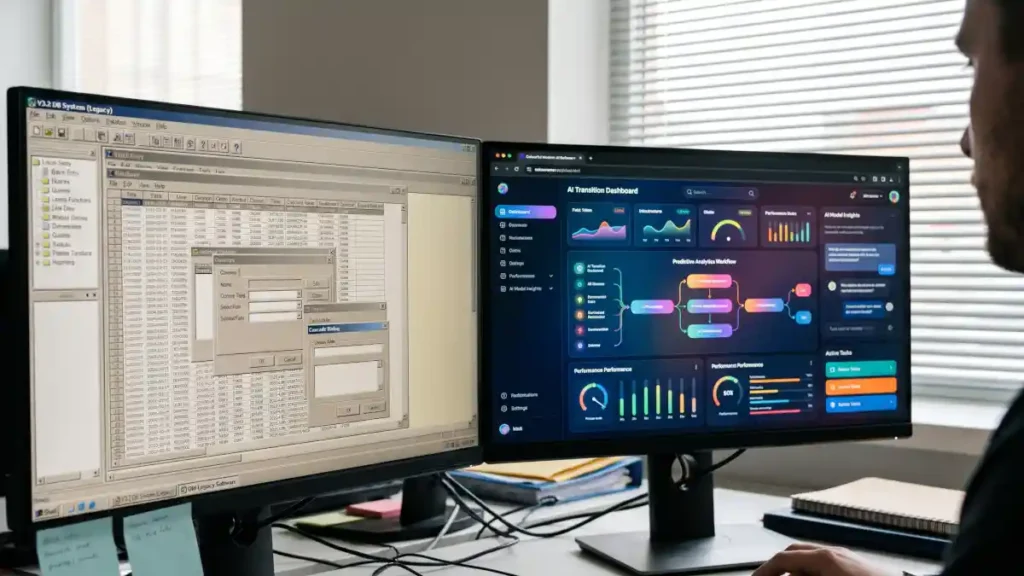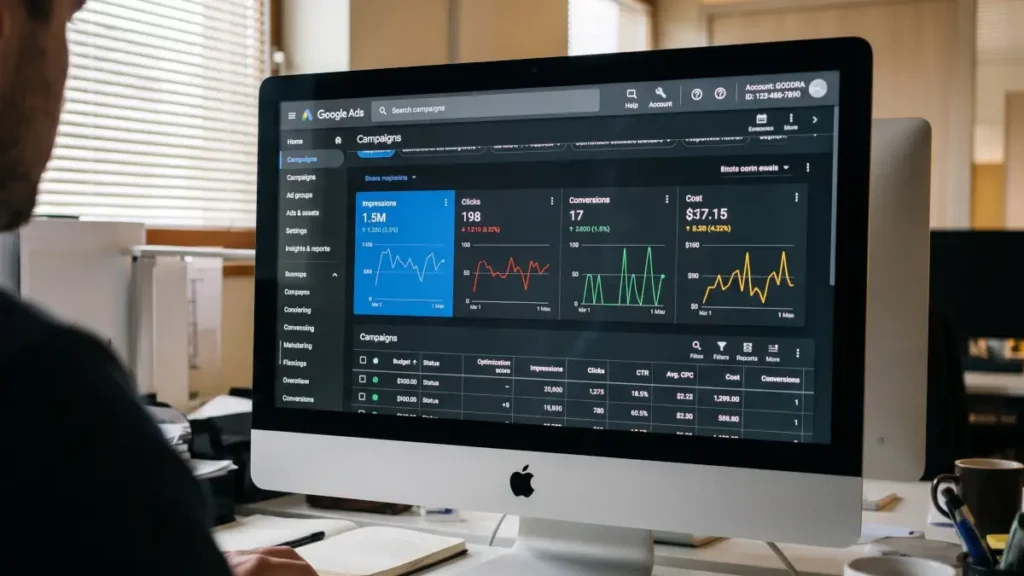










The expansion of cloud software has created an unintended operational tax across modern enterprise environments: data fragmentation.
An organisation routinely operates an array of market-leading platforms—a dedicated CRM for business development, specialised operational software for delivery, separate infrastructure for financial accounting, and standalone portals for customer communications. While each system performs its designated function effectively, they rarely communicate without human intervention.
The consequence is a heavy drain on billable productivity. Skilled personnel are reduced to manual data re-entry: transcribing client records across browser windows, reconciling mismatched billing numbers, and cross-referencing conflicting project statuses. Beyond the lost hours, this fragmentation introduces input errors, slows commercial response times, and leaves executive leadership reliant on lagged, unreliable reporting.
Resolving this friction does not require commissioning costly, multi-year software rebuilds. It requires building a disciplined, connected architecture that bridges existing systems through automated pipelines, webhooks, and secure API endpoints.
At GODDRA, we provide the technical advisory and hands-on execution needed to turn disconnected applications into a unified, high-velocity operational system.
Our Advisory and Implementation Methodology
Achieving dependable system connectivity requires looking beyond the technical documentation to understand how commercial information actually drives the organisation. Simply linking tools together without structural oversight risks automating flawed operational processes.
Our team delivers a focused, end-to-end engagement model:
1. Operational Discovery and Systems Audit
We conduct a thorough review of your active technology stack, mapping data movement between departments. We pinpoint where manual data entry persists, identify points of operational failure, and audit existing API limits, access governance, and security permissions.
2. Architectural Blueprint and Platform Selection
We formulate an objective integration strategy tailored to your transaction volumes, internal team capabilities, and compliance requirements. We identify which processes should run through scalable middleware like Make, and where bespoke webhooks or direct endpoints are required for security and performance.
3. Robust Error-Handling and Data Governance
A production-grade integration layer must account for network dropouts, rate limits, and external service downtime. We build dedicated error-routing and retry protocols into every workflow—ensuring that if a third-party platform experiences latency or outages, transactions are safely queued rather than lost.
4. Deployment, Documentation, and Operational Handover
We conduct end-to-end integration tests in sandboxed environments before production cutover. Once verified, we deliver comprehensive architectural schematics and clear standard operating procedures, ensuring your internal teams maintain total visibility and control over the automated infrastructure.